
Understanding Forex Trading Definition, Strategies, and More

Forex trading, also known as foreign exchange trading, refers to the act of buying and selling currencies on the foreign exchange market with the aim of making a profit. It is one of the most actively traded markets in the world, boasting a daily trading volume of over $6 trillion. This trading offers a unique opportunity for individuals and institutional traders to engage in a dynamic environment, where they can take advantage of currency fluctuations. For those seeking to start their journey in Forex trading, it is essential to choose the right resources. Discover the forex trading definition Best Platforms for Trading that cater to both beginners and experienced traders alike.
What is Forex Trading?
Forex trading involves the exchange of one currency for another in a decentralized market. Unlike stock exchanges, which have a physical location, the Forex market operates electronically through a network of banks, brokers, and individual traders. The primary goal is to speculate on the price movement of currency pairs. For example, if you believe the euro will strengthen against the US dollar, you would buy the EUR/USD currency pair.
The Basics of Currency Pairs
In Forex trading, currencies are always quoted in pairs, indicating the value of one currency against another. The first currency in the pair is known as the base currency, while the second is the quote currency. For instance, in the EUR/USD pair, the euro is the base currency, and the US dollar is the quote currency. When you buy EUR/USD, you are essentially buying euros while simultaneously selling dollars.
Market Participants
The Forex market is comprised of various participants, including:
- Central Banks: They play a significant role in influencing currency value through monetary policy.
- Commercial Banks: Major institutions buy and sell currencies on behalf of clients and for their own accounts.
- Corporations: Businesses involved in international trade often engage in Forex to hedge against currency risks.
- Retail Traders: Individuals or small groups trading for personal profit.
Forex Trading Strategies
Successful Forex trading relies on effective strategies. Here are some common approaches:
1. Scalping
Scalping involves making numerous trades throughout the day to capture small price movements. Traders may hold positions for just a few seconds to minutes, aiming to profit from minor fluctuations.
2. Day Trading
Day trading entails buying and selling currencies within a single trading day. Positions are closed before the market closes to avoid overnight risks.
3. Swing Trading
Swing traders hold positions for several days to take advantage of expected price movements. This strategy allows for more significant profit opportunities compared to day trading.
4. Position Trading
This long-term strategy involves holding positions for weeks, months, or even years, based on fundamental analysis and macroeconomic factors.
The Importance of Analysis in Forex Trading
Traders utilize two primary types of analysis to inform their trading decisions:
1. Fundamental Analysis
This involves analyzing economic indicators, such as interest rates, inflation, employment statistics, and overall economic health to predict currency movements.
2. Technical Analysis
Technical analysis focuses on price charts and indicators to identify patterns and trends. Traders use tools such as moving averages, RSI, and MACD to make informed decisions.
Risk Management in Forex Trading
Effective risk management is crucial for success in Forex trading. Here are some strategies:
- Setting Stop-Loss Orders: This involves placing orders to automatically exit a trade at a predefined price level, limiting potential losses.
- Position Sizing: Determining the appropriate amount to risk on each trade is vital to protect your capital.
- Diversification: Spreading investments across multiple currency pairs can help mitigate risks.
Choosing a Forex Broker
Selecting the right broker is a critical step in your Forex trading journey. Key factors to consider include:
- Regulation: Ensure the broker is regulated by a reputable authority.
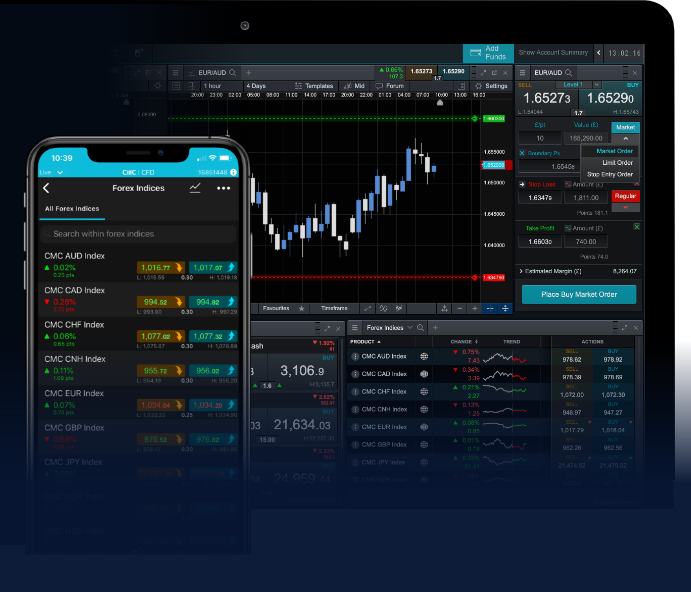
- Trading Platform: Evaluate the trading platform’s features, ease of use, and access to necessary tools.
- Spreads and Fees: Understand the costs associated with trading and choose a broker with competitive spreads.
Conclusion
Forex trading offers a unique opportunity for individuals and institutions to participate in the global financial market. Understanding the basics, developing effective strategies, and practicing risk management are essential for success. As the market continues to evolve, traders must adapt and utilize the best resources available to enhance their trading experiences. With the right approach and mindset, Forex trading can lead to profitable opportunities in the dynamic world of currency trading.