
Understanding Maximum Leverage Risks and Rewards in Trading 1625705954

Understanding Maximum Leverage: Risks and Rewards in Trading
Leverage is a fundamental concept in trading, allowing traders to amplify their exposure to the market without needing to invest a large amount of capital. While leverage can significantly enhance potential returns, it also introduces a higher level of risk. One crucial aspect every trader should understand is maximum leverage. In this article, we will delve into what maximum leverage means, its implications for traders, and how to navigate this powerful tool in the world of finance. For those interested in innovative trading platforms, check out what is maximum leverage Minereum.
What is Leverage?
Leverage in trading refers to the use of borrowed capital to increase the potential return on an investment. When a trader uses leverage, they are essentially controlling a larger position than their initial capital would allow. For example, if a trader has $1,000 and uses a leverage ratio of 10:1, they can control a position worth $10,000. The basic formula for calculating leverage is:
Leverage Ratio = Total Position Size / Equity
While leverage can magnify gains, it also magnifies potential losses. Therefore, understanding the concept of maximum leverage is vital for anyone looking to trade efficiently and effectively.
What is Maximum Leverage?
Maximum leverage refers to the highest amount of leverage that a trader can use on a given trade or account. This limit is determined by various factors, including the regulations set by financial authorities, the broker’s policies, and the asset being traded. Maximum leverage varies across different markets; for instance, Forex trading often allows higher leverage compared to stock trading due to the inherent volatility and liquidity of the currency markets.
Why Does Maximum Leverage Matter?
Understanding maximum leverage is crucial for several reasons:
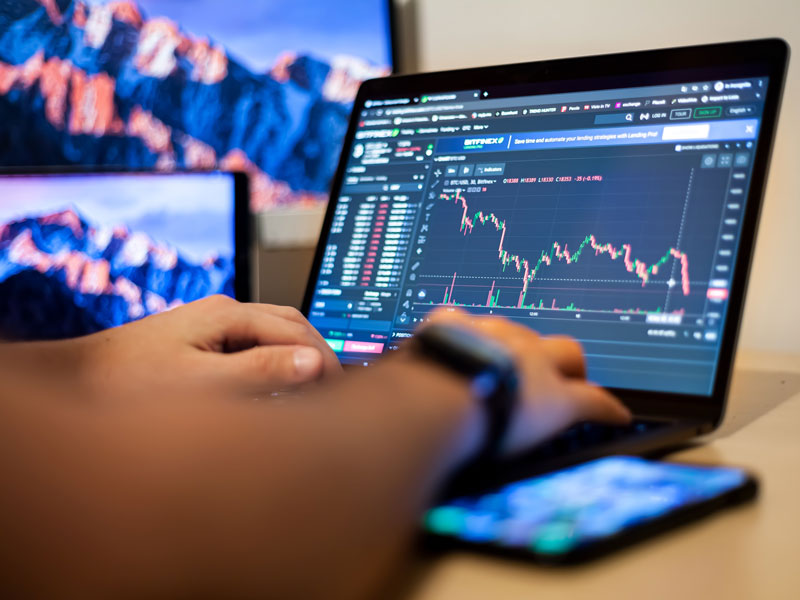
- Risk Management: Knowing the maximum leverage helps traders assess their risk tolerance. Higher leverage can lead to greater profits, but it can equally result in swift losses.
- Margin Requirements: Leverage is closely tied to margin requirements. The higher the leverage, the lower the margin requirement, which means traders can open larger positions with less capital.
- Trading Strategy: Different trading strategies may require different levels of leverage. Day traders, for example, may opt for higher leverage to capitalize on small price movements, whereas long-term investors might prefer lower leverage.
Maximum Leverage Across Different Markets
Maximum leverage is not uniform across all trading markets, and it varies significantly. Here’s a breakdown of maximum leverage in various markets:
- Forex Market: Forex brokers often offer maximum leverage as high as 1:100 or even 1:1000, allowing traders to control large positions with relatively small capital.
- Commodity Trading: In commodity markets, maximum leverage can range from 1:10 to 1:100, depending on the broker and specific commodity being traded.
- Stock Market: Stock trading typically has lower leverage, often capped at 1:2 or 1:4 for day trading, reflecting the risk associated with equity positions.
The Risks of Using Maximum Leverage
While maximum leverage can enhance potential profits, it also comes with significant risks:
- Increased Risk of Loss: High leverage means that even a small adverse movement in the market can lead to substantial losses, potentially wiping out an entire account.
- Margin Calls: If a trader’s account falls below the required margin level due to losses, they may face a margin call, requiring them to either deposit more money or close positions.
- Emotional Stress: The pressure of managing highly leveraged positions can lead to emotional decision-making, causing traders to deviate from their strategies.
How to Manage Leverage Effectively
To navigate the complexities of maximum leverage and mitigate associated risks, traders should adopt several best practices:
- Choose the Right Leverage: It’s essential to select a leverage ratio that aligns with your trading style, risk tolerance, and market understanding.
- Use Stop-Loss Orders: Implementing stop-loss orders can help limit potential losses by automatically closing positions at predetermined levels.
- Diversify Your Portfolio: Avoid putting all your capital into one trade. Diversifying across various assets can help spread risk and reduce the impact of adverse movements in any single position.
- Stay Informed: Regularly review market conditions, leverage requirements, and trading strategies to adapt to changing circumstances.
Conclusion
In conclusion, maximum leverage is a powerful tool in the trading world that can significantly enhance potential returns but also comes with considerable risk. Traders must understand the intricacies of leverage, how it differs across markets, and the profound impact it can have on their trading outcomes. By managing leverage judiciously, employing sound risk management strategies, and continually educating themselves, traders can harness the benefits of leverage while minimizing its dangers.
As the trading environment evolves with innovative platforms and tools, understanding concepts like maximum leverage remains critical. With careful planning and strategy, traders can navigate the complexities of leveraging their investments responsibly.